• Home
  • Latest News
  • I've Got a Secret
  • Arts Section
  • Event Calendar
  • Neighborhoods

WHAT A SWELL PARTY: Musical Theater Heritage and KC Chamber Orchestra join for gala featuring music from Purcell to Cole Porter

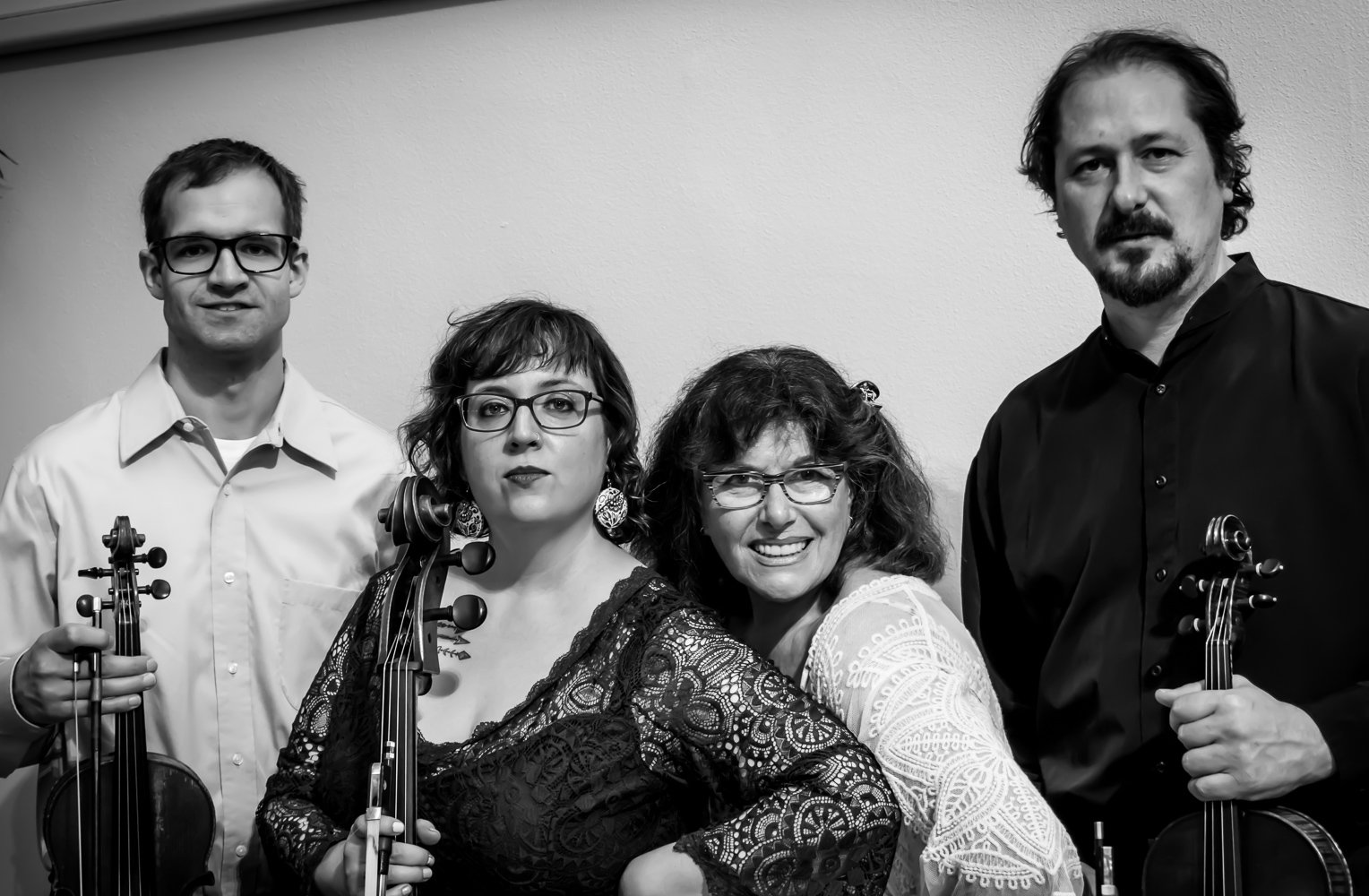
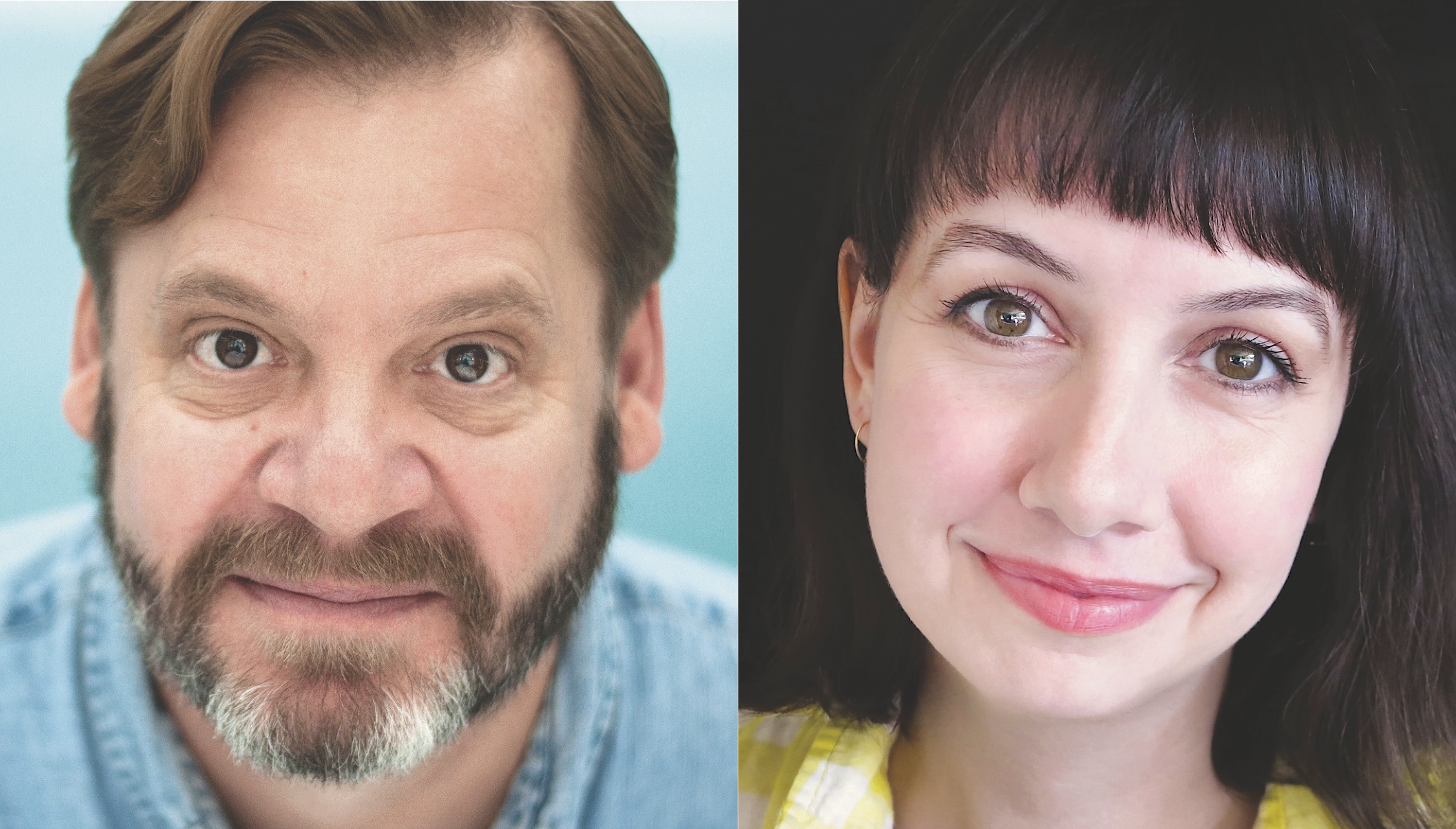
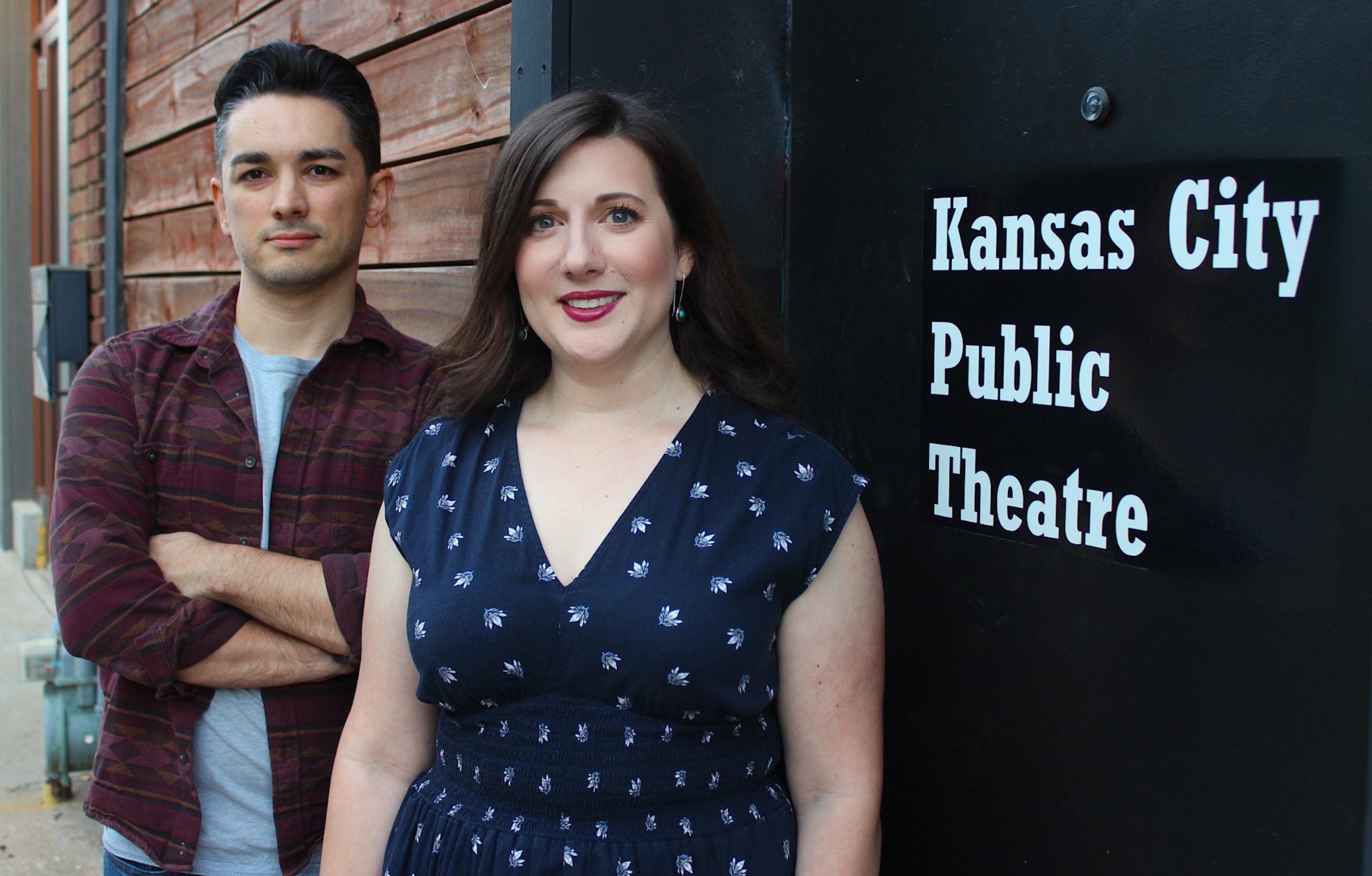
MTH's Chad Gerlt, Sarah Crawford, George Harter and Jeremy Watson

George Harter has a message for all who will listen: Just as jazz, blues and rock ‘n’ roll are indigenous American musical genres, musical theater was born here, too. And just as those forms drew from elements as disparate as hymnody and African folk song, the musical drew from European operetta and other sources but brought those elements together in a uniquely American way. “Musical theater is America’s contribution to the grand art of theater,” says George, who founded Musical Theater Heritage in 1997 and each week hosts a nationally syndicated radio show A Night on the Town devoted to the great Broadway musicals (heard here on KPR-FM 91.5). “I am trying to make people appreciate that musical theater is part of our culture.”

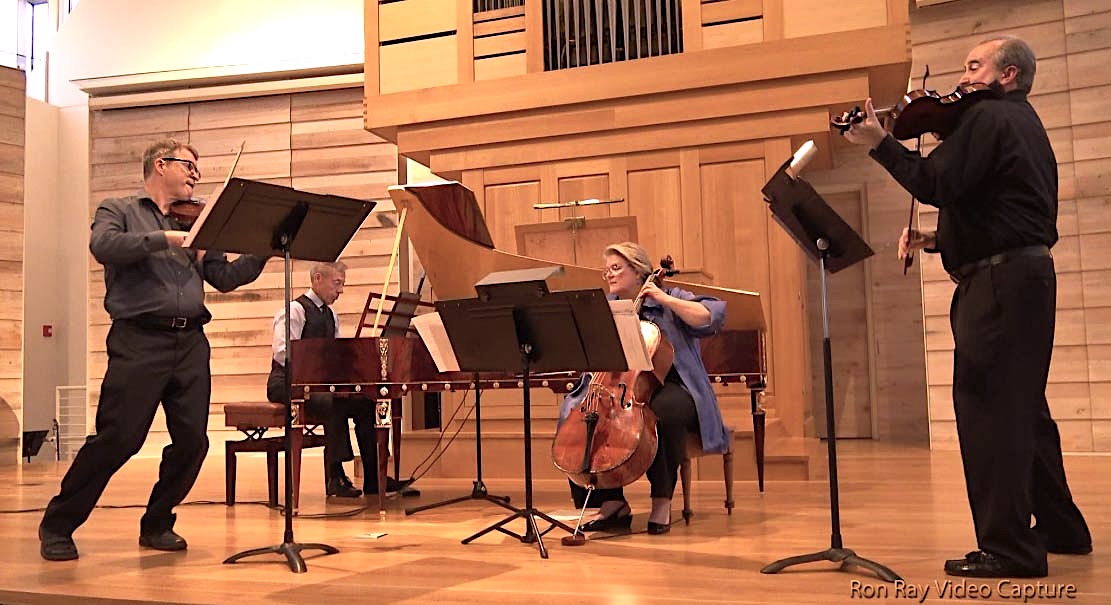
On August 14 at the historic Midland Theatre, Musical Theater Heritage and Bruce Sorrell’s Kansas City Chamber Orchestra will come together for a their first-ever joint gala, “Baroque to Broadway.” Beginning with cocktails at the grand bar, this fundraiser features dinner on the ground floor, dancing in the grand lobby, a silent auction, and performances of music ranging from the 17th-century master Henry Purcell to the lilting songs of Cole Porter. Featured will be prominent local tenor Nathan Granner and others. J. Scott Francis is honorary chair of the event. The collaboration came about partly because two members of the groups’ respective boards happen to be married to each other — Nicole Rockstad (who is on George’s board, and sings in Bruce’s church choir) and Shad Rockstad (who is on the Chamber Orchestra board).

“We’re celebrating the hundred-year history of musical theater,” says George, whose group also hosts shows and revues at the 240-seat Off Center Theatre at Crown Center, with the aid of associate producer Chad Gerlt, stage/music director Sarah Crawford and pianist Jeremy Watson. Though the full-blown “book musical” was born with Showboat in 1926, song-driven musical theater dates back to the early years of the 20th century, George says. Still, the art form didn’t take off until producers created works with consistent character and plot development that were penned by a single author and a single composer. “All the Broadway historians will tell you that musical theater is divided into two periods, before and after Showboat,” George says.

Bruce Sorrell

The greatest of the Broadway musicals — Showboat, Carousel, South Pacific, Oklahoma! Kiss Me Kate, Gypsy — can stand proudly next to other great stage works of their day, both George and Bruce agree. “The American musical theater is a part of a larger world of theater music, from Handel to Puccini,” says Bruce, who is bringing Purcell to “Baroque to Broadway” because “he was a great man of the theater.” The American musical theater “just happens to be our popular theatrical music,” Bruce says, “and the best of it is still being performed now, 50 years later. I think West Side Story will always be one of the landmark scores of American music, period.”

Bruce, whose mastery of Mozart and Beethoven is well known, also showed early promise in musical theater. “My professional debut was as Winthrop in The Music Man,” he says with a laugh, of a production in Wichita. “I was all of 8 or 9. On opening night I stopped the show, and I didn’t even know what was happening.” The critic in the Eagle wrote that, while he was no Freddy Bartholemew, Bruce had “one of the best singing voices onstage.” Alas, his Broadway career was short-lived: “Once my voice changed, nobody wanted to hear me sing any more.”

The legacy of the Broadway musical continues today, George says, in works of authors like Stephen Sondheim, Stephen Schwartz (Godspell, Wicked) and even Adam Guettel (The Light in the Piazza). “I very much consider Stephen Schwartz connected to Gershwin and Irving Berlin,” George says. “People talk about the demise of the American music industry, and yet the Broadway theater has been functioning pretty much uninterrupted since the early 20th century. Oscar Hammerstein was a mentor to Sondheim, Frank Loesser (Guys and Dolls, How to Succeed in Business Without Really Trying) was a mentor to Richard Adler and Jerry Ross (The Pajama Game, Damn Yankees), and Sondheim was a mentor to Maury Yeston (Nine).” There is a “canon,” George says, of musicals from the “golden age” of the 1950s, but that legacy lives on in works of more recent masters. “Sondheim is sometimes credited with having created a new genre, but I think he took the musical in a straight line forward. As everyone dropped away from the classic musical theater, he stayed on track and kept evolving it, taking it as far as it could go.”

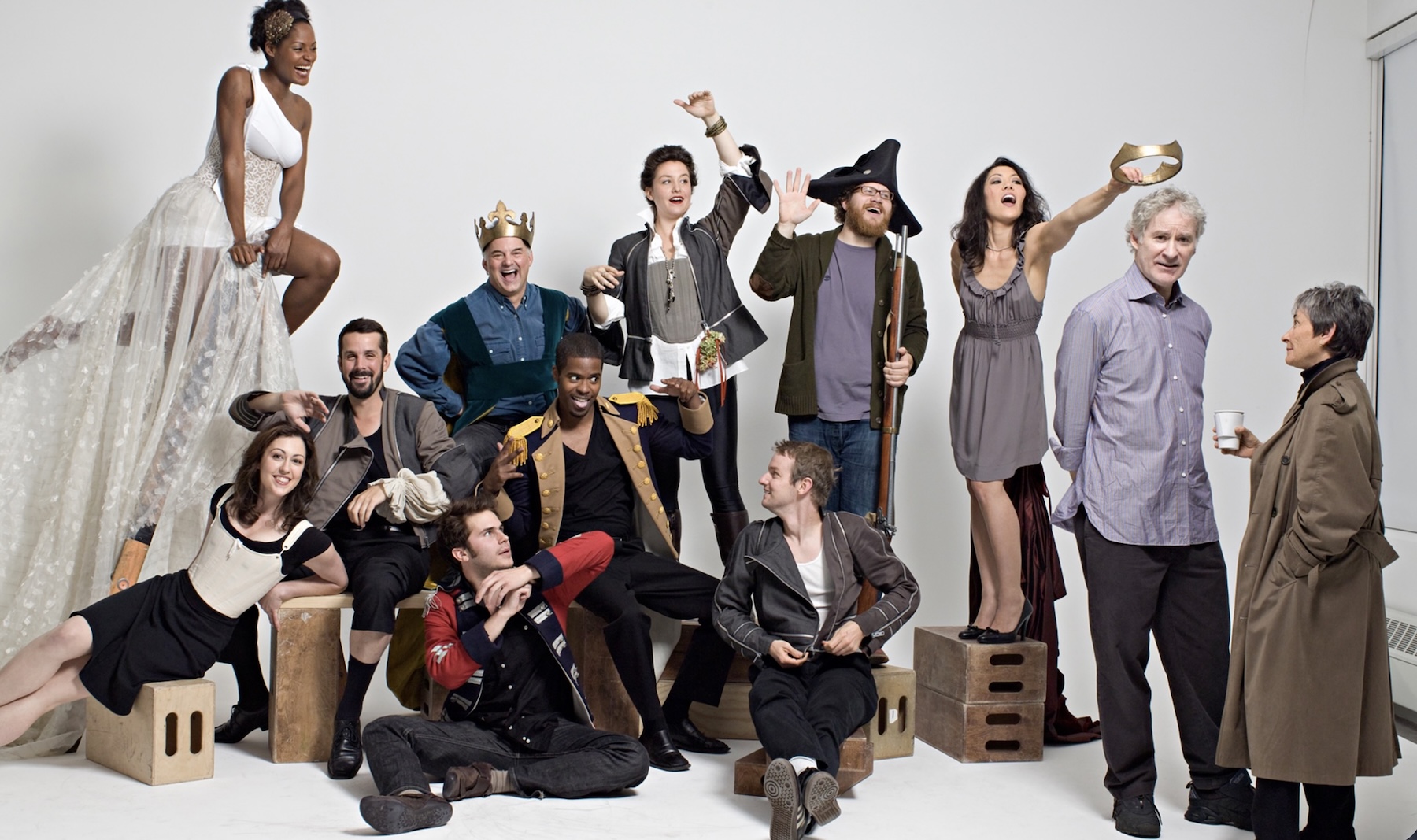
The cast of "1776" poses at the Liberty MemorialAlso in August, MTH hosts an audacious production of Sherman Edwards’ Tony Award-winning musical 1776, presented for the first time ever with an all-female cast. This revolutionary idea began as an offhand remark by MTH’s Sarah Crawford. “We were brainstorming and she said, almost as a joke, I’ve always wanted to do 1776 with an all-female cast,” says George. “And I said, that’s a great idea!” The more they thought about it, the more sense it made, and not just as a gimmick. “When I heard the women reading these lines, they really came alive. It’s America’s greatest story in a brand-new voice.” When they ran the idea by Sherman’s son, Keith Edwards, he loved the concept. “He’s excited about it. He says he’s sure his father would have approved. In fact he’s grateful that somebody is willing to do something gutsy and adventurous with his father’s work, because he’s hoping it will generate a lot of interest around the country.”

Among the MTH’s other activities are “Musical Mondays” held several times a year — a sort of revue and “open-mike” night for professionals and aspiring singers alike, also held at the Off Center Theatre. (The next is on August 2.) The MTH also offers New York and Broadway travel packages several times a year, hosted by George himself and featuring airfare, lodging, meals and of course plenty of shows. (As of this writing there were six spots left for the October 13-17 trip featuring tickets to Addams Family, Memphis, A Little Night Music and Promises, Promises.)

It’s all part of encouraging and fostering interest in an art form that George finds worthy of upholding. “The songs of these musicals tell a story — ‘Oh, What a Beautiful Morning’ is expressing something that we can all imagine. A lot of popular music doesn’t do that. This kind of music works the imagination, and it still has the power to stir young people. I will go to my grave with the satisfaction that I fired the imaginations of a lot of 8- to 14-year-old kids, both boys and girls, who had never heard that kind of music before and who learned to love it.”

For more information about Musical Theater Heritage’s activities or for tickets to performances go to www.musicaltheaterheritage.com or call 816-221-6987. For the Off Center Theatre box office call 816-842-9999 or go to www.crowncenter.com/Entertainment-OCT/Index.htm.


To reach Paul Horsley, performing arts editor, send email to phorsley@sbcglobal.net.


RICHARD HARRIMAN, WORLD-RENOWNED ARTS PRESENTER, DIES AT 77: Artists, arts lovers worldwide mourn loss of Harriman-Jewell Series co-founder

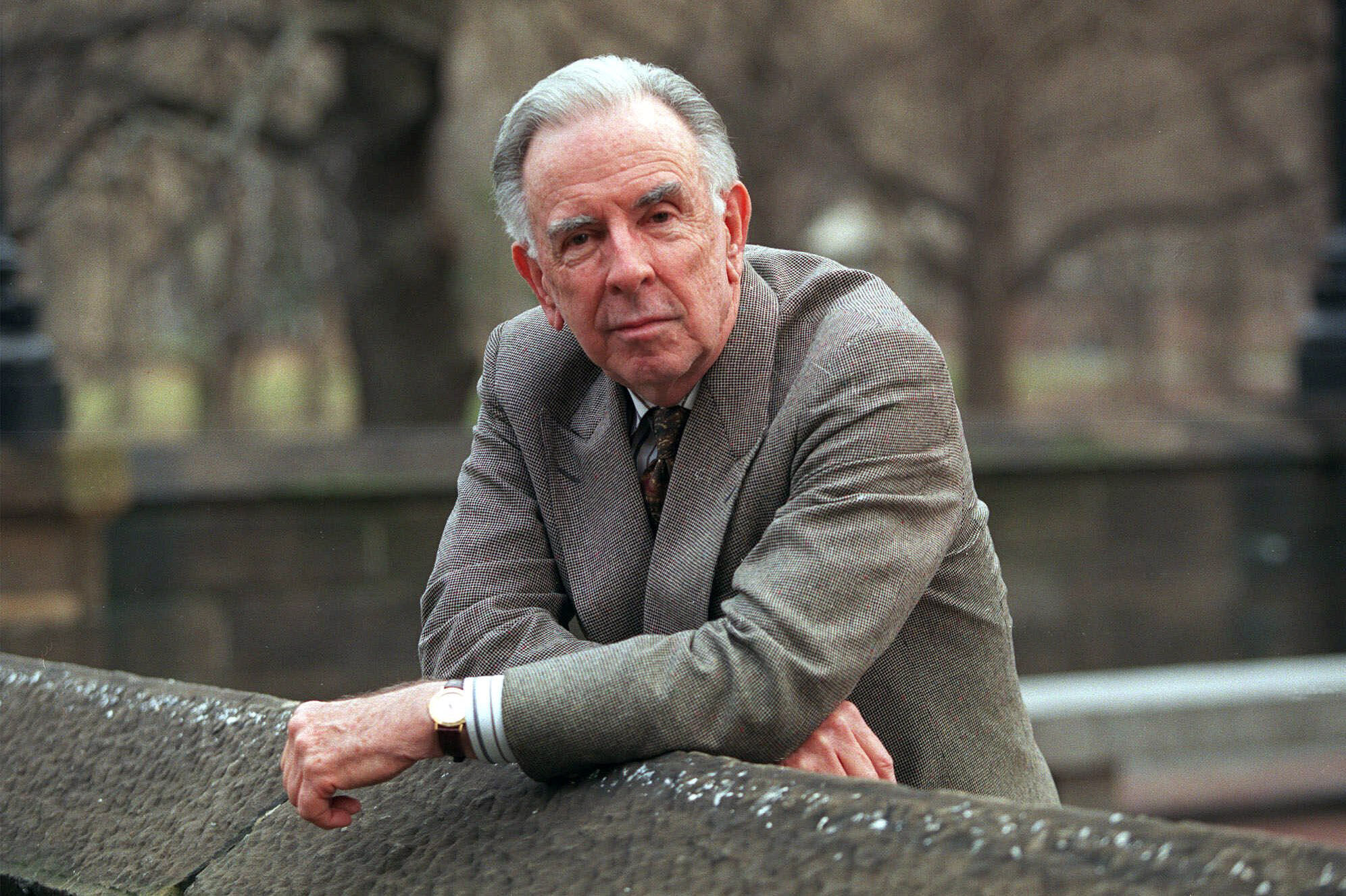
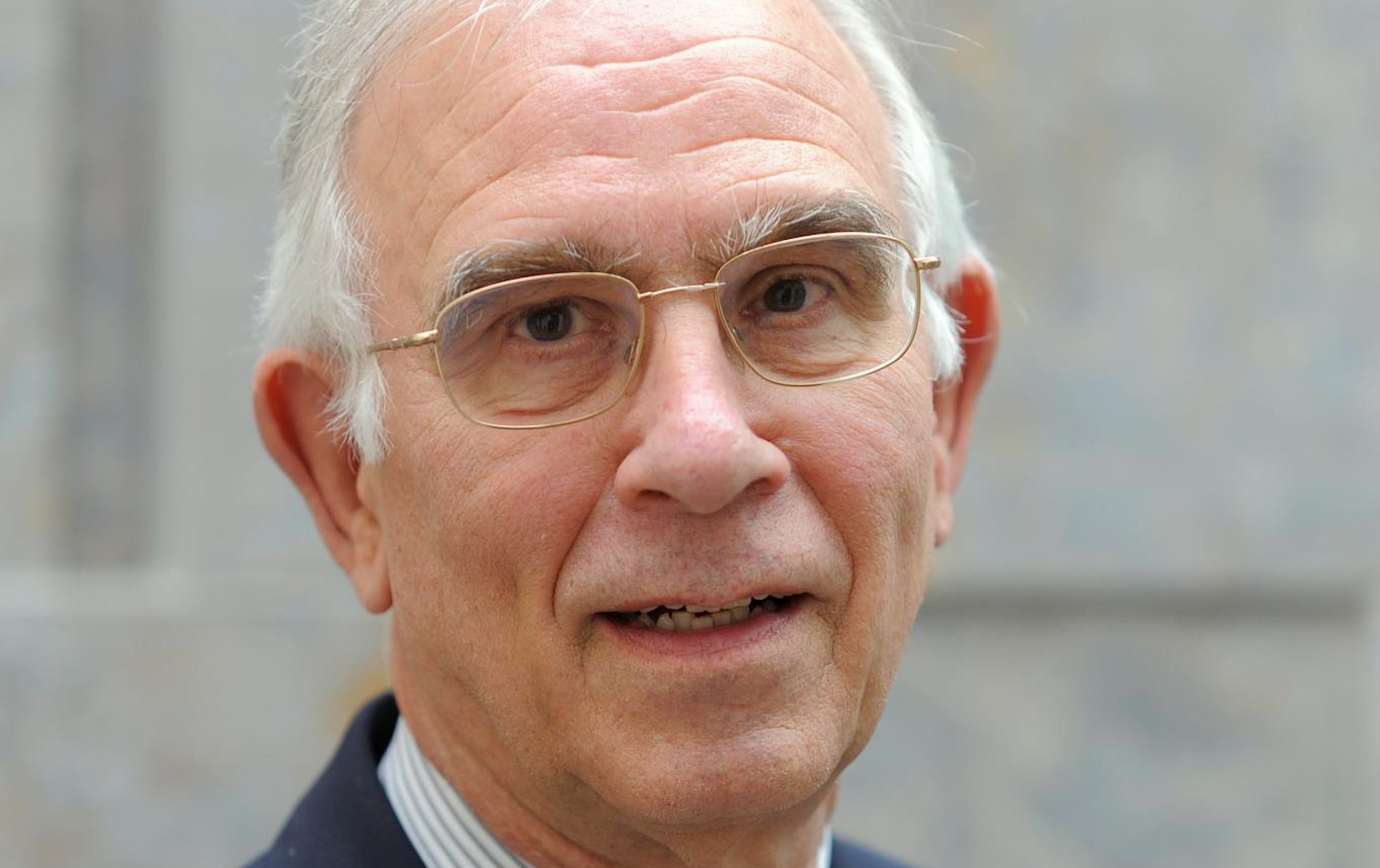
Richard Harriman, the William Jewell College professor who spent a half century building the Harriman-Jewell Series into one of the nation’s premier performing arts presenters, died July 15 at Liberty Hospital. He was 77. A gracious and amiable man who always greeted his audience members as they arrived at Series concerts, Harriman had suffered from Parkinson’s disease and leukemia for several years. A public memorial service is scheduled for 3 p.m. August 8 at Gano Memorial Chapel on the William Jewell College campus in Liberty.

“It was a peaceful end to an amazing life,” said Clark Morris, the Series’ executive director since 2003, whom Richard had groomed to be his successor. Richard, who continued as artistic director after Clark’s appointment, continued to come into the office until just a week before his death, Clark added. “He was at it right to the end.” Beth Ingram, a friend for more than 40 years and a longtime contributor to the Series, said it was characteristic of Richard to keep quiet about his illness. “He was so quiet and modest and unassuming,” said Beth, who often traveled with Richard on talent-scouting trips and attended the wedding of tenor Juan Diego Flórez with him in Lima, Peru in 2008. “He had the cutest sense of humor that you ever heard. He was very quiet, but if you sat and really listened to him he was really very funny.”

In 1965 Richard and fellow professor Dean Dunham co-founded at Jewell what was at first called the Fine Arts Series. When the Series outgrew Gano Chapel in the 1980s it moved downtown to the Folly Theater and the Music Hall. Richard knew that if the Series was to expand it had to be at the center of things, Beth said. “That shows what good business sense he had, too.”

Jewell President David Sallee said in a statement that Richard made “an enormous contribution to William Jewell College and to the entire Kansas City community. His remarkable, intuitive sense of seeking out artists whose careers were ascending led him to introduce us to some incomparable performers over the course of 45 incredible seasons on the Series that bears his name.”

The list of Series presentations through the years reads like a Who’s Who of worldwide music, dance and theater — from Isaac Stern to Marilyn Horne, from the Royal Concertgebouw to the Philadelphia Orchestra, from Paul Taylor to Alvin Ailey and the American Ballet Theatre. The Series always shed special light on opera singers, presenting nearly every major star on the Metropolitan Opera’s roster from the 1960s onward. In 1973 Richard presented the world recital debut of an up-and-coming tenor named Luciano Pavarotti, who would become a friend and regular guest.

In addition to his ability to seek out new talent, Richard worked hard to make the series a well-rounded representation of the very best in music and dance. Many of my own fondest memories during my decade as a music critic in Kansas City have been from presentations on his series — such as the stellar 2005 performance by tenor Ben Heppner in his prime, one of the most powerful recitals I’ve ever experienced. In fact, when I first considered moving here from Philadelphia in 2000, the abundance of arts presentations in Kansas City was one of the city’s selling points. Richard was of course responsible for a great deal of that. “When I first moved to Kansas City, there were so few concerts that I thought I was on a desert island,” Friends of Chamber Music founder Cynthia Siebert told me in 2007, during a fund-raising gala celebrating Richard’s 75th birthday. “I could not have done what I did (with the Friends) if he had not paved the way.”

David Parsons, the Kansas City native whose dance company has become an international force in contemporary dance, wrote the following in an email. “I was 12 years old when Richard Harriman brought The Joffrey Ballet to Kansas City. That evening changed my life. Richard would bring great artists to Kansas City but he also knew how to bring a faithful audience to the theater. This gift, which he gave to both artists and audiences, is rare. He was the first to bring Parsons Dance home to Kansas City in 1987. I will miss his wise, kind, soft spoken words of advice and the love he had for artists, audiences and the performing arts.”

“He was such a dear man, and he had the respect and admiration of so many people in the industry,” said Barbara Hocher, executive director of the Marilyn Horne Foundation, named for the singer who appeared more than any other soloist on the Series (10 appearances from 1968 to 2000). International mezzo-soprano and Our Town native Joyce DiDonato, who sang her local recital debut on the Series, wrote this on her blog:

“In him, we have the perfect example of what dedication and imagination can bring to the world: In bringing more than 850 events to one city over the years, a single human being with a vision and the fortitude to follow it through, well, changed the lives of the people of my hometown. He brought us beauty and introspection and laid the world at our feet. No need for passports and airfare — he graciously brought it all to us.”

Indeed, what I remember most about Richard is his graciousness and civility. As recently as April, I had lunch with him at Webster House with his colleagues Clark Morris and Tim Ackerman. He was his usual witty self. We sat at a table overlooking the Kauffman Center construction site, and I wonder now if he gazed somewhat wistfully at the site — hoping that he’d live long enough to attend the first performances in the Center that his very presence in Kansas City helped propel.

Contributions can be made to the Harriman-Jewell Series’ Richard L. Harriman Fund for Excellence in the Arts. Call the Series’ development office at 816-415-5025 for more information.

To reach Paul Horsley, performing arts editor, send email to phorsley@sbcglobal.net.


ACADEMIC, MY DEAR WATSON: Local colleges and universities announce powerful season lineups

This week we supplement the information placed on this blog in April summarizing the 2010-2011 seasons of the Kansas City Symphony, the Lyric Opera of Kansas City, the Kansas City Ballet, the Harriman-Jewell Series, and the Friends of Chamber Music. Today we look at the series offered by area institutions of higher learning, which over the years have become an essential part of Kansas City’s music, dance and entertainment scene. Yet to be announced is a newly designed series at the UMKC Conservatory to be unveiled in July.

The Performing Arts Series at Johnson County Community College: 2010-2011 season

In just 20 years since its founding in 1990, the Performing Arts Series at Johnson County Community College has grown from a small suburban series to a national powerhouse that has at times provided stiff competition to Kansas City’s downtown presenters. With the opening of the Carlsen Center in 1999 — with its three state-of-the-art performance venues, including Yardley Hall, and plenty of free parking — the series took off. It is now a revered international presenter that brings a wide variety of cultural offerings to Johnson County and co-commissions new works from such major artists as Philip Glass and the Paul Taylor Dance Company. It has also made itself an integral part of the community through extensive outreach and educational programs.

The 2010-2011 season offers one of the most auspicious lineups in the Series’ history, with big-name pop artists, theater, comedy, dance, classical music and programs with a global outlook. There’s even the guy from TV’s Jack Hanna’s Animal Adventures, a jazz tribute to Kansas native Stan Kenton and the Tony Award-winning musical Spamalot! And in September, eight-time Grammy Award winner Natalie Cole will be on hand for an official 20th anniversary celebration.

“It’s an exciting and wonderful place to be and a great place to work,” says Emily Behrmann, who becomes general manager of the series this July 1st after a year as interim manager. (She succeeds Charles Rogers, who retires this summer after a decade of making the series strong.) As the only series of its kind in Johnson Country, the PAS strives to serve the citizens whose taxes largely support the college, with a variety of offerings that is as broad as any series in the area. But of course everyone is welcome, and many have found the Carlsen Center’s ease of access a selling point. “We also want to serve as a complement to everything going on the Kansas City area,” Emily says, adding that she is especially excited about Natalie and comedian Martin Short and about the first presentation of a musical. “In audience surveys, no matter what we ask, people always say, ‘you should do more Broadway.’ ” The series also stresses numerous auxiliary educational activities such as master classes, workshops and lecture-demonstrations, in which students interact with and learn from leading artists. It’s all part of a process of making audiences “feel real ownership” of the series, she says. “And we want to appeal to them on an ongoing basis.”

All shows begin at 8 p.m. in Yardley Hall of the Carlsen Center unless otherwise noted. For subscription and ticket information, call 913-469-4445 or go to www.jccc.edu/TheSeries.

September 10th: Takács Quartet, Grammy-winning string quartet

September 11th: American Voices, Songs of Our Nation, Larry Gatlin, Crystal Gayle and Andy Cooney

September 25th: The “Still Unforgettable” Natalie Cole, 20th anniversary celebration

September 30th: Jungle Jack Hanna, featuring the star of TV’s Jack Hanna’s Animal Adventures (7 p.m.)

October 16th: The Seasons Project, part of the world premier tour of a Philip Glass composition, a PAS co-commission, with violinist Robert McDuffie and the Venice Baroque Orchestra

October 20th: Michael Bolton, singer-songwriter (7:30 p.m.)

October 22nd and 23rd: Capitol Steps, political comedy troupe

October 29th and 30th: Quixotic Fusion, Lux Esalare, Kansas City ensemble of musicians, dancers, aerialists

November 5th: DRUMLine Live, created by the music team behind the hit movie Drumline

November 6th: beatlegras, bluegrass arrangements of Beatles tunes by a fab three (Polsky Theatre)

November 12th: Jigu! Thunder Drums of China, a world-class company of drummers, percussionists and musicians steeped in the culture of Shanxi province

November 20th: Naturally 7, award-winning septet with a distinct a cappella style called “vocal play”

December 3rd: Christmas Bells Are Swingin’!, Boston Brass and the Brass All-Stars Big Band play holiday selections arranged by jazz legend and Stan Kenton

January 29th: Lar Lubovitch Dance Company, internationally renowned modern dance company

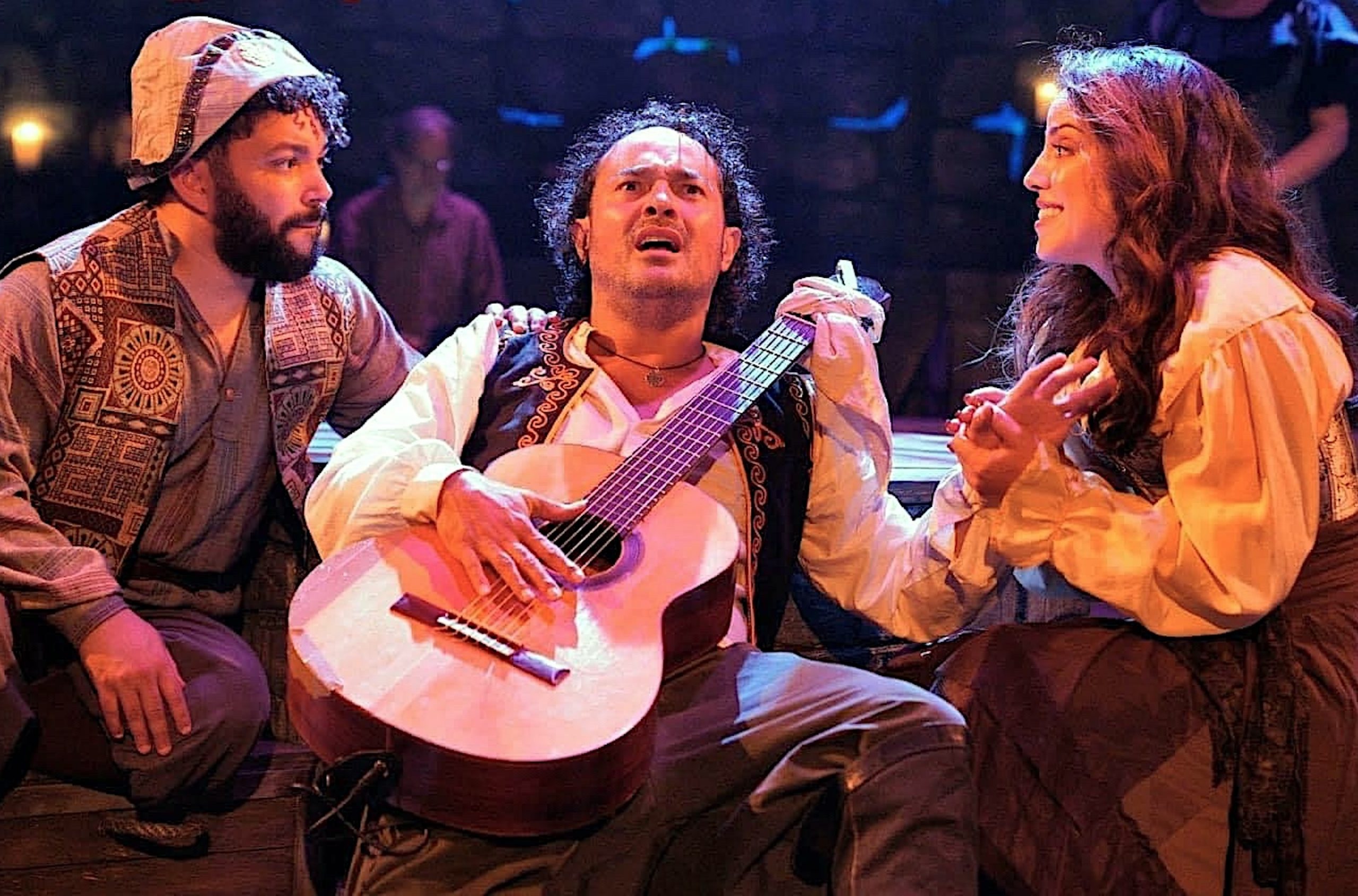
February 4th: The Hot Club of San Francisco, Gypsy jazz, in Silent Surrealism

February 12th: An Evening with Martin Short, starring the legendary comedian, film star and SNL alumnus

February 26th: Vienna Choir Boys, the legendary vocal ensemble that traces its history back five centuries

March 4th: Opole, Philharmonic of Poland, with soprano Iwona Sobotka, light classics by Viennese composers

March 5th: Hot Tuna Blues, guitarists Jorma Kaukonen and Jack Casady of Jefferson Airplane fame, blues-harp player Charlie Musselwhite and country-and-bluegrass artist Jim Lauderdale

March 12th: Janis Ian, singer, guitarist, songwriter (“At Seventeen”)

April 2nd: Joffrey Ballet, world-renowned Chicago-based ballet company

April 16th: Béla Fleck, banjo; Zakir Hussain, tabla/percussion; and Edgar Meyer, bass

May 1: Spamalot, a Broadway musical based on Monty Python and the Holy Grail (7 p.m.)

——————————————————————————————————————-

The Lied Center: 2010-2011 season

The Lied Center of Kansas has also announced an intriguing series for 2010-2011, with “something for everyone,” in the words of executive director Tim Van Leer. Of special interest are the rock musical Spring Awakening with choreography by Bill T. Jones, pianist Frederick Chu and David Gonzalez’ reimagining of Carnival of the Animals and Peter and the Wolf, Armitage Gone! Dance with a new evening-length work, the genre-defying Turtle Island String Quartet, the Kansas City Symphony with pianist Jonathan Biss, an Evening with Garrison Keillor, Kansas playwright William Inge’s Bus Stop and the Preservation Hall Jazz Band with the Del McCoury Band. For tickets and information, call 785-864-2787 or go to lied.ku.edu.

August 20th: Free concert and Family Arts Festival (6 p.m.); Jeffery Broussard and the Creole Cowboys, contemporary zydeco and new spins on Creole classics (7 p.m.)

September 30th: Neil Berg’s 100 Years of Broadway, with top Broadway stars in a revue of songs from Phantom of the Opera, Cabaret, Chicago, West Side Story and others (7:30 p.m.)

October 2nd: Punch Brothers featuring Chris Thile, blend of bluegrass, folk and classical,; Thile is formerly of Grammy-winning Nickel Creek (7:30 p.m.),

October 3rd: Adam György, Hungarian pianist, who made an acclaimed Carnegie Hall debut (2 p.m.)

October 8th: Bayanihan Philippine National Folk Dance Company (7:30 p.m.)

October 9th: Turtle Island Quartet, genre-bending and Grammy Award-winning group whose music includes classical, jazz and rock (7:30 p.m.)

October 21st: Fiddler on the Roof, Tony Award-winning Broadway musical (7:30 p.m.)

October 22nd: Big Bad Voodoo Daddy, “America’s favorite little big band,” nine-man band that plays swing, jazz, Dixieland, and big band (7:30 p.m.)

October 27th: Spring Awakening, Broadway’s analysis of sex, drugs, rock ‘n’ roll — and morality, based on a notorious Franz Wedekind play from 1891 and featuring choreography by the enfant terrible of in-your-face modern dance, Bill T. Jones (7:30 p.m., mature content)

November 5th: Armitage Gone! Dance, a top contemporary group founded by Lawrence native Karole Armitage, presents a new evening-length Three Theories, a multimedia dance piece based on Brian Greene’s book The Elegant Universe (7:30 p.m.).

November 12th: Peter Goodchild’s The Real Dr. Strangelove, live radio theater by L.A. Theatre Works, about Robert Oppenheimer and the creation of nuclear weapons (7:30 p.m.)

November 13th: Interpreti Veneziani, chamber orchestra, in a program of Baroque music by Geminiani, Vivaldi and Handel (7:30 p.m.)

December 7th: Legally Blonde The Musical, adapted from the popular film and nominated for seven Tony Awards (7:30 p.m.)

December 11th: Jim Brickman’s 15th Anniversary Holiday Concert (7:30 p.m.)

February 8th: Black Violin, violin-viola duo in music ranging form classical to jazz, funk to hip-hop (7:30 p.m.)

February 15th: Alexander String Quartet, San Francisco-based ensemble performs quartets from Beethoven’s early, middle and late periods (7:30 p.m.).

February 19th: William Inge’s Bus Stop, classic 1955 play observing eight characters stranded in a rural Kansas diner in a snowstorm, by the Pulitzer Prize-winning Kansas playwright (7:30 p.m.)

February 24th: The Spencers: Theatre of Illusion, husband-and-wife illusionists with over-the-top theatrical and special effects, recently named International Magicians of the year (7:30 p.m.)

March 6th: Kansas City Symphony with pianist Jonathan Biss and conductor Michael Stern, featuring Brahms’ First Piano Concerto and a commissioned work by Adam Schoenberg (7:30 p.m.)

March 9th: An Evening with Garrison Keillor, host of public radio’s A Prairie Home Companion (7:30 p.m.)

March 13th: Carnival of the Animals & Peter and the Wolf, classic children’s favorites by Saint-Saëns and Prokofiev, respectively, as transformed by Frederic Chu’s piano transcriptions and David Gonzalez’ original poetry (2:30 p.m.)

April 8th: Alpin Hong, pianist (7:30 p.m.)

April 14th: Preservation Hall Jazz Band and Del McCoury Band, legendary musicians who preserve distinctly American musical styles (7:30 p.m.)

To reach Paul Horsley, performing arts editor, send email to phorsley@sbcglobal.net.


WOLFIE, WE HARDLY KNEW YE: KC Chamber Orchestra to finish season with Mozart classic

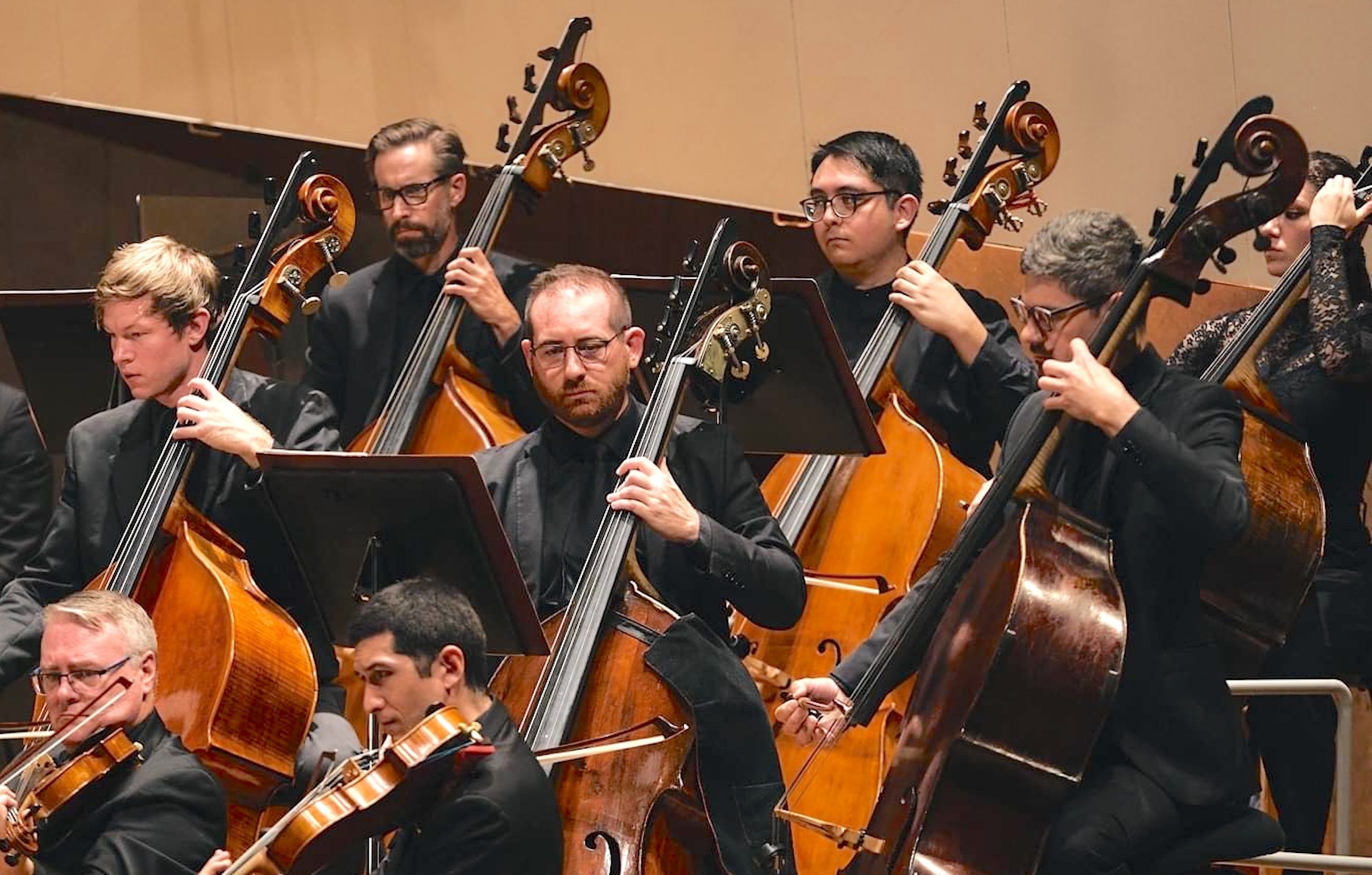
Bruce Sorrell has spent a great deal of his life thinking about Mozart, and it shows when he conducts the composer’s music: He has a special understanding of this most challenging of Classicists. Astonishingly, the founding music director of the Kansas City Chamber Orchestra finds that he has never conducted Mozart’s iconic Requiem, and this week he plans to rectify that situation. For the final performance of the KCCO’s 23rd season, on June 11th at Village Presbyterian Church, Bruce will lead top vocal soloists, a choir drawn from various churches, and the 30-piece Chamber Orchestra in a single performance of the unfinished 1791 masterpiece.

More than 200 years after its composition, the Requiem continues to fascinate listeners with its air of mystery, and to confound musicians with the artistic puzzles it presents. “The first problem is the fact that he died while he was writing it,” says Bruce with a laugh, “which gives it this sort of romantic aspect.” The story of the Requiem is well known: A visitor came to Mozart offering a handsome commission for a musical setting of the Requiem Mass, and the composer — always short of funds — accepted and set to work on the piece. Mozart was in poor health, though, despite being only 35, and as the composition of the dark-hued piece dragged on he apparently began to be haunted by the notion that he might indeed be writing a Requiem for himself.

Sure enough, he died that December with the piece incomplete, and his widow Constanze, eager to collect the rest of the commission fee, enlisted the services of composers and friends to bring it into some sort of deliverable shape. Controversy remains as to just how much of the finished product was by Franz Xaver Süssmayr (a friend and possibly also student of Mozart’s), Joseph von Eybler or Maximilian Stadler, but the end product is a work of such awe-inspiring dramatic force that it has become a concert favorite worldwide. “How truly remarkable that this was his last work,” Bruce says. “The operatic nature of it jumps out at you. I definitely think of this as an extension of Mozart’s dramatic voice, an area in which he was obviously tremendously gifted.”

More recent musicians have attempted their own completions of the Requiem, and today’s conductor can choose from a wide variety of editions. But Bruce says that for his first time out, at least, he wanted to use the Süssmayr version that is probably still the most commonly favored and performed. “For me it had to do with wanting to go with the one created by people that Mozart had around him,” he says. “They were doing this completion for Constanze, and that has a romantic feel in and of itself. These are people who were there when Mozart died. This is authentic to the period, and to the people he had trained and who were around him at the end.”

Bruce will be joined by top-drawer soloists: soprano Rebecca Lloyd, mezzo-soprano Denise Knowlton, tenor David Adams and bass-baritone John Stephens. The chorus of about 50 singers, prepared by Matthew Shepard, is drawn from choirs at Village Church, Grace and Holy Trinity Cathedral and St. Paul’s Episcopal Church. The Requiem will be paired with Stravinsky’s “Dumbarton Oaks” Concerto for chamber orchestra. Founded in 1987, the Kansas City Chamber Orchestra consists of members of the Kansas City Symphony and other gifted musicians.

Masses in Mozart’s day were not composed for concert use, but rather to be performed in the context of a liturgical Mass, with individual musical movements inserted into the service at the correct moments. Audiences today are more accustomed to hearing Masses of Mozart or Haydn in concert settings than in a Catholic Mass, yet the removal of sacred works from their intended contexts is not without its aesthetic and/or religious problems. Nevertheless works like the Requiem transcend the confines of any single religion or faith, Bruce says. “The great works have a universality that everyone can find some way into. Everyone can understand the Day of Wrath, for example. That’s something that speaks to all — that fear of death, of falling short.”

And contrary to the conceit of the Peter Shaffer stage play Amadeus (and later, Milos Forman’s film adaptation of it), composer Antonio Salieri had no hand in the completion of the Requiem, nor did he poison Mozart. (In the film we are made to believe that Salieri is the mysterious commissioner of the piece, even though history tells us it was an envoy sent by a Count Franz von Walsegg soliciting a piece for his recently deceased wife — which he seemingly planned to pass off as his own.) “What a great story, though,” Bruce says of Amadeus, “and what a brilliant film. I loved Salieri talking about the Gran Partita as it’s being played in the other room, while Mozart gallivants on the floor, even if they do get the story somewhat skewed.”

Bruce’s reference is to a scene in which Salieri first realizes Mozart’s genius, even while resenting that God would bestow such gifts on someone he perceived as an infantile buffoon. “This was no composition by a performing monkey,” Salieri says, as he examines the score of the Partita’s Adagio, with its gorgeous, soaring oboe solo. “This was a music I’d never heard. Filled with such longing, such unfulfillable longing. It seemed to me that I was hearing the voice of God.”
For tickets to Mozart’s Requiem on June 11th, performed by conductor Bruce Sorrell and the Kansas City Chamber Orchestra, call 816-235-6222 or go to www.kcchamberorchestra.org.

——————————————————————————————————————-

KCCO SEASON FEATURES DUAL BICENTENNIAL FETES

The Kansas City Chamber Orchestra has announced its 2010-2011 season, detailed below. Renewals for existing subscribers are available through June 4th. Call 816-960-1324.

October 2nd: Baroque by Candlelight. Repertoire to be announced (Old Mission United Methodist Church).

November 30th: Schumann and Chopin. Features pianists Lana and Slava Levin performing, respectively, Chopin’s Variations on “La ci darem la mano” and Schumann’s Piano Concerto, in celebration of the bicentennial of both composers’ birth (Unity Temple on the Plaza).

February 14th: Dvořák’s Serenade. Program includes that composer’s Serenade for Strings and a newly commissioned work by Kansas City-based Jean Ford Belmont (Old Mission United Methodist Church).

June 24th: Beethoven’s “Pastorale.” The composer’s Sixth Symphony is featured in this season finale, which also kicks off the Chamber Orchestra’s upcoming 25th anniversary season.

——————————————————————————————————————–

GREEN IN THEM THAR’ HILLS

Symphony in the Flint Hills this year features not only the live strains of the Kansas City Symphony echoing out over the verdant hills of Chase County, Kansas, but also the hickory twang of country superstar Lyle Lovett, who will sing a few tunes. Scheduled for June 12th with a rain date on June 13th, it’s an all-day experience that can include nature hikes, rides on horse-drawn covered wagons, dancing to old-time western music and presentations on prairie life. The Symphony performs a 90-minute concert beginning at 6:45 p.m., with a wide-ranging selection of music appropriate to the pastoral setting, conducted by associate conductor Steven Jarvi.

“Lyle Lovett shares our passion for the Tallgrass prairie,” says Emily Hunter, executive director of the Symphony in the Flint Hills. Lyle is a longtime friend of rancher Edward Bass, who is hosting this year’s event on his South Clements Pasture seven miles south of Cottonwood Falls (135 miles southwest of Kansas City, off of I-35 west of Emporia). “Lyle has many friends in Kansas and narrated the PBS special The Last Stand of the Tallgrass Prairie,” Emily says.

General admission tickets are sold out, but patron tickets are still available. The Patron Package includes two tickets with reserved concert seating, reserved parking, a pre-concert Patron reception and dinner, a gift certificate redeemable for commemorative items and access to the hospitality tent. Call 620-273-8955 or send email to emily@symphonyintheflinthills.org. For full information and photographs from previous years, go to www.symphonyintheflinthills.org.

To reach Paul Horsley, performing arts editor, send email to phorsley@sbcglobal.net.


SOULS ON FIRE: Choreographer reenacts racial tensions of ’60s childhood

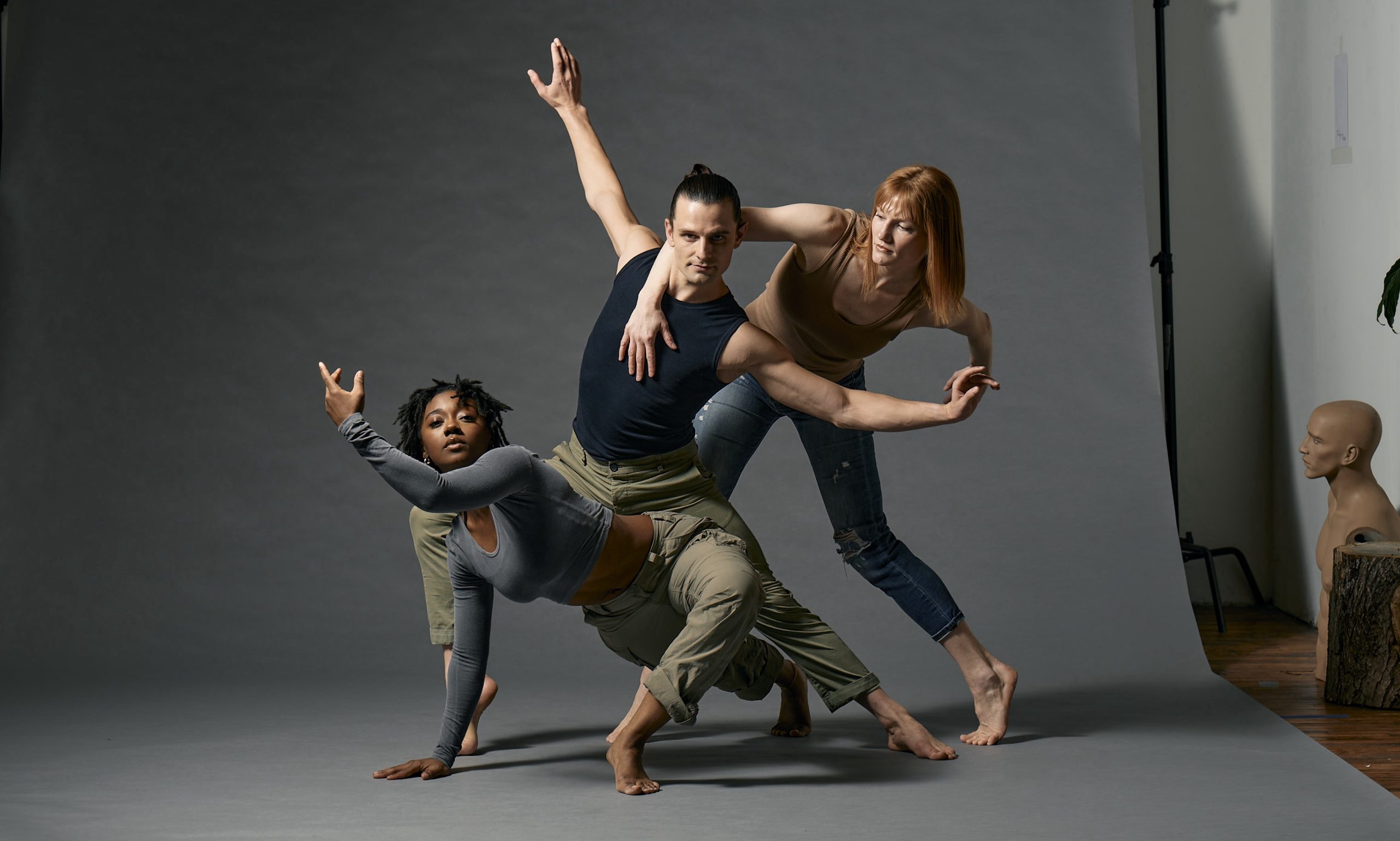
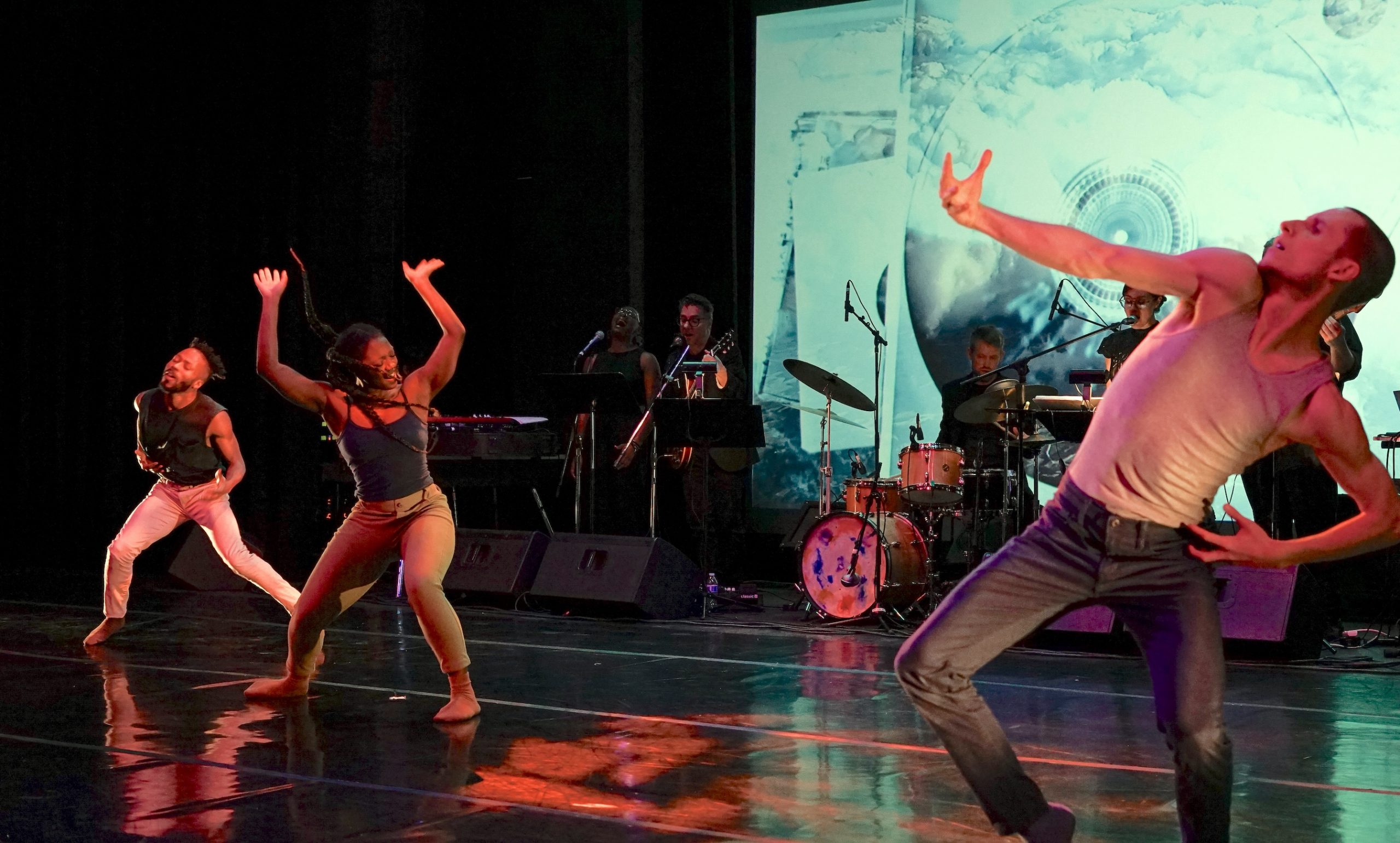
Like many Southerners of her generation, choreographer Mary Pat Henry had a front row seat for the explosive events surrounding desegregation and the Civil Rights Movement. As a child in Columbus, South Carolina, she remembers being continually jolted by the racism she encountered all around her. For two years now she has grappled with reenacting some of those memories in dance, inspired partly by the art of William Christenberry — especially The Klan Room, his installation of paintings, drawings and photographs of Ku Klux Klan-related imagery — and by her own memories of growing up. The result, Southern Exposure, will receive its world premiere on May 21st and 22nd as part of the Williams/Henry Contemporary Dance Company’s spring program. It is the group’s first appearance ever on the attractive Spencer Theatre stage used by the Kansas City Repertory Theatre, and it will attempt to take advantage of its superior technological capabilities.

“This piece is like looking at the past as a dusty memory,” says Mary Pat, the company’s co-founder and artistic director, who is also a professor of dance at the UMKC Conservatory. “It looks back on a time that asked us to define ourselves,” she says, using pop, gospel, blues, jazz, and other music from the era.  Some of the events depicted in the 30-minute work are drawn from real events she experienced, she says — “voicing things I saw that impacted me.” Many are things that her dancers, a racially diverse group of professionals in their 20s and 30s, have only read or heard about. But she says they feel the emotional content of the piece profoundly — a piece whose impact is heightened by the use of projected images of the period, some quite graphic.

Southern Exposure is just part of the Wylliams/Henry’s spring program, which, as usual, serves up a provocative mix. Desire by Gary Abbott of Chicago’s Deeply Rooted Productions explores the relationship between love, desire and the primal need for physical contact. Paula Weber’s To Each Her Own (premiere) traces the emotional and spiritual development of four very different women. Ruth Barnes’s Chloe/Christina (premiere) takes Andrew Wyeth’s painting Christina’s World as a point of departure, using live and recorded video to show the dissonance between image and dance. And Mary Pat’s Moore in Time (a revival) also uses video to explore the relationship of dancers to the shapes and ideas created by Henry Moore’s iconic sculptures (many of which grace the lawn of The Nelson-Atkins Museum of Art). For tickets call 816-235-6222.

In memoriam, with fireworks and cannons

If there is a single annual outdoor event that has galvanized Kansas City’s open air fans, it has to be the Kansas City Symphony’s Celebration at the Station held each Memorial Day weekend outside Union Station. The setting is perfect for the occasion, with a panoramic view of not just our landmark 1914 Station but also the magnificent National World War I Monument. It’s one of the most satisfying things you can do outdoors for free here, and each year tens of thousands of area residents make a day of it. This year’s Bank of America Celebration at the Station is on May 30th, with a rain date of May 31st. Music director Michael Stern leads a program including patriotic music, orchestral classics and a fireworks finale set to Tchaikovsky’s 1812 Overture.

Special guests this year include Time for Three, an innovative ensemble of two violins and double bass that blends classical, country, bluegrass and jazz idioms with brilliant panache. Formed at the Curtis Institute of Music, this boundary-bending trio consists of violinists Zachary De Pue and Nicolas Kendall and bassist Ranaan Meyer. The activities of these Curtis-trained musicians have ranged widely, from performances with major orchestras to high-profile TV appearances. Their fresh and tasteful blend is difficult to describe, but click here for a sampling. Also on the bill is Mark Shultz, a Colby, Kansas, native who is today one of the superstars of Christian music. Click here to view the video to his nostalgic hit song “Letters from War.” Mark is known for easy-going songs that give testament to his faith and to the inner workings of God in his life.

The grounds open at 3 p.m., and families are welcome to bring blankets, chairs and picnic baskets. Food will be available for purchase inside and outside the Station, where of course early birds can view the impressive Dinosaurs Unearthed exhibit. Pre-concert entertainment begins at 4:30 p.m. with the United States Air Force’s Brass in Blue. The concert proper begins at 7:30 p.m., enhanced by a large HD screen for close-ups of the artists. The concert will also be shown live in HD on KCPT-TV (Channel 19) beginning at 7:30 p.m., with a rebroadcast to be scheduled for the July 4th weekend. For complete event details go to www.celebrationatthestation.com.

Symphony players form new chamber music series

Speaking of the Kansas City Symphony, its energetic players are always looking for new ways of bringing music to our community, in both formal and informal settings. On May 20th and June 3rd, they perform the first two concerts of what the Symphony and principal trombonist (and series artistic adviser) Roger Oyster hope will become a regular chamber-music series at Webster House, the renovated schoolhouse-turned-restaurant-and-antique-gallery poised at the edge of the Kauffman Center for the Performing Arts. Each of the 30-minute mini-concerts of the new Webster House Salon Series with the Kansas City Symphony begins at 6:15 p.m. — right after the restaurant’s wonderful happy hour, which runs from 4:30 p.m. to 6 p.m. — and includes music by the same composers to be featured at that weekend’s regular Symphony concerts.

On May 20th, the featured work is Debussy’s String Quartet — that week’s Symphony concert also will include that composer’s Prelude to the Afternoon of a Faun — with violinists Sunho Kim and David Repking, violist Jenifer Richison and cellist Lawrence Figg. On June 3rd the featured works are the Andante cantabile from Tchaikovsky’s First String Quartet and Prokofiev’s Quintet, Op. 39, for oboe, clarinet, violin, viola, and double bass. Featured on June 3rd are violinist Anne-Marie Brown and Tomoko Iguchi, violist Christine Grossman, cellist Lawrence Figg, oboist Barbara Bishop, clarinetist Raymond Santos, and bassist Ed Paulsen. For more information about the new series, go to www.websterhousekc.com or call 816-221-4713. For Symphony tickets and information call 816-471-0400 or to www.kcsymphony.org.

To reach Paul Horsley, performing arts editor, send email to phorsley@sbcglobal.net. Also read Paul’s columns in the print version of The Independent, available for $45 a year at 816-471-2800.